
TRENTON, NJ — Summer has officially arrived, even if only unofficially! Before you head out onto the water, it’s crucial to make sure your paperwork and equipment are in order. A successful and safe boating season starts with ensuring your vessel is in good working condition and equipped with all the necessary accessories. Here’s a thorough checklist to help you get started:
1. Valid Registration
Confirm that your boat is registered. If you haven’t completed registration yet, begin with the MVC Application for Boat Registration. Proper registration is essential to avoid any legal issues on the water.
2. Display of Registration Numbers and Validation Decals
Your registration number must be displayed correctly, with a space between the NJ prefix, the four digits, and the two-letter suffix. On each side of the boat, place the registration decal (showing the expiration date) toward the stern. Similarly, validation stickers should be positioned three inches behind the state registration number on both sides of the vessel.
3. Required Lights
Boats operating at night must have navigation lights turned on from dusk until dawn. Make sure your lights are the correct size for your vessel and that they are in proper working order.
4. Flame Arrester
Any gasoline engine installed on a motorboat or other vessel after April 25, 1940, must have a U.S. Coast Guard–certified flame arrester fitted to the carburetor. This is critical for preventing potential fires.
5. Personal Flotation Devices (PFDs)
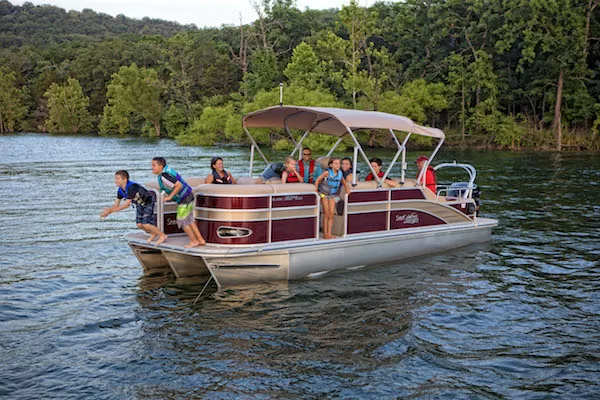
Every person on board or being towed must have at least one wearable Type I, II, III, or V USCG-certified PFD. Inspect your PFDs for tears or signs of wear, and replace any that aren’t in good condition. In addition, any vessel 16 feet or longer (except canoes and kayaks) must carry one throwable Type IV USCG-approved device.
6. Horn or Whistle and Bell
Make sure your whistle or horn is working properly. Also ensure you have a functioning bell on board, as required.
7. Bilge Ventilation
Your boat must have at least one exhaust duct running from the open air to the lower portion of the bilge, and at least one intake duct positioned below the carburetor air intake level or at least halfway to the bilge.
8. Visual Distress Signals
Check the expiration dates on your flares and replace any that are out of date. Using approved visual distress signals is essential for both safety and legal compliance.
9. Fire Extinguishers
Verify that your fire extinguishers are approved for marine use and note their expiration dates. Replace any that have expired.
10. Operator’s License (Non-Tidal Water Only)
If you plan to boat on non-tidal waterways, you must have a non-tidal boat license—also known as a “BOAT” endorsement on your New Jersey driver’s license. Obtain your boat safety certificate and then update your driver’s license accordingly.
11. Float Plan
Always leave a float plan with a trusted person on shore. A float plan includes the names of all passengers, your intended route, and your expected return time. You can download a template from Float Plan Central.
12. Boating Safety Certificate
To operate any powered vessel in New Jersey, an NJSP-issued boat safety certificate is required. You must enroll in an approved course and pass a proctored exam. Check BoatSafeUS for class and exam schedules. Online courses are also available through Aceboater.com, Boaterexam.com, or Boat-Ed.com, followed by a mandatory proctored exam.
By following this checklist, you can ensure your boat is ready for the water and that you’re in full compliance with all safety regulations. Prepare today and enjoy a wonderful, safe boating season!